Living in Grand Cayman is a true paradise, with stunning ocean views, warm breezes, and sunshine nearly every day of the year. However, that paradise comes with a unique set of climate challenges. Grand Cayman’s year-round tropical heat and intense humidity can put continuous strain on your cooling system. In an island environment where air conditioning isn’t just a comfort but a daily necessity, running your system non-stop can quickly lead to astronomical power bills and unexpected system breakdowns.
To keep your home cool and comfortable without breaking the bank, homeowners need proactive, proven strategies to maximize air conditioning efficiency. By understanding how our island’s climate affects your HVAC equipment, you can take simple, smart steps to reduce energy consumption, extend the life of your unit, and maintain a refreshing indoor sanctuary.
Here are five essential AC energy efficiency tips specifically tailored for homes in Grand Cayman.
1. Upgrade to a Programmable or Smart Thermostat
One of the easiest and most effective ways to lower your energy consumption in the tropics is by taking precise control of your indoor temperature. Setting your thermostat to a single, freezing temperature 24/7 forces your air conditioner to work at peak capacity even when no one is home.
Installing a programmable or smart thermostat allows you to set automatic schedules that match your daily routine. For example, you can set the temperature a few degrees higher while you are out at work or running errands around the island, and schedule it to cool back down just before you return.
- The Tropical Advantage: Smart thermostats learn your family’s habits and adapt to outdoor conditions. Many models allow you to monitor and adjust your home’s temperature remotely from your smartphone—perfect if your travel plans change or if an unexpected hot spell hits.
- Pro Tip: Aim to keep your thermostat set to around 80°F (25°C) when you are at home. Every degree you raise the temperature above 72°F can cut your cooling costs significantly over the course of a month.
2. Regularly Inspect and Replace Air Filters
In Grand Cayman, air filters work overtime. Between high atmospheric salt content, dust, pollen, and everyday pet dander, your AC unit’s air filter can clog far faster than it would in a temperate climate.
When an air filter becomes dirty and restricted, your system’s blower motor has to push twice as hard to pull air through the system. This restricted airflow forces the compressor to run longer, spiking your Caribbean Utilities Company (CUC) bill and putting unnecessary wear and tear on critical components.
- Establish a Schedule: Check your air filters every 30 days. In a climate like Cayman’s, you should plan to clean or replace them every 1 to 2 months, especially during the hottest summer periods.
- Choose the Right MERV Rating: Use filters with an appropriate Minimum Efficiency Reporting Value (MERV) rating for your system. A filter that is too restrictive can choke airflow just as much as a dirty filter, so consult your system manual or an AC professional for the ideal match.
3. Manage Humidity and Sunlight Exposure
Energy efficiency is also about controlling the environment around it. Moisture and radiant solar heat are two of the biggest drivers of air conditioning workload in the Caribbean.
High humidity makes the air feel significantly warmer than the actual temperature reading on the wall. Because your AC unit doubles as a dehumidifier, heavy moisture forces it to work extra hard to remove water vapor from the air before it can effectively lower the room temperature. Furthermore, sunlight pouring through unprotected windows acts like a greenhouse, rapidly heating up your living areas.
- Block the Sun: Use blackout curtains, thermal drapes, or solar window tinting on south- and west-facing windows to block radiant solar heat during peak daylight hours.
- Seal Air Leaks: Ensure weatherstripping around doors and windows is intact. Leaking air allows hot, muggy outdoor air to seep into your home, forcing your system to run continuously to extract moisture and maintain cool temperatures.
4. Utilize Ceiling Fans to Enhance Air Circulation
Ceiling fans are an air conditioner’s best friend in a tropical climate. While fans don’t actually cool the air, they create a wind-chill effect on your skin, making a room feel roughly 4°F cooler than it actually is.
By running ceiling fans in occupied rooms, you can comfortably raise your thermostat setting without sacrificing personal comfort. This small adjustment significantly reduces the frequency and duration of your AC system’s cooling cycles.
- Direction Matters: Ensure your ceiling fans rotate counterclockwise during the warm months. This creates a direct downdraft that generates a refreshing breeze.
- Remember the Golden Rule: Fans cool people, not rooms. Always turn off ceiling fans when you leave a room to prevent wasting electricity.
5. Keep Outdoor Units Clear of Debris and Salt Accumulation
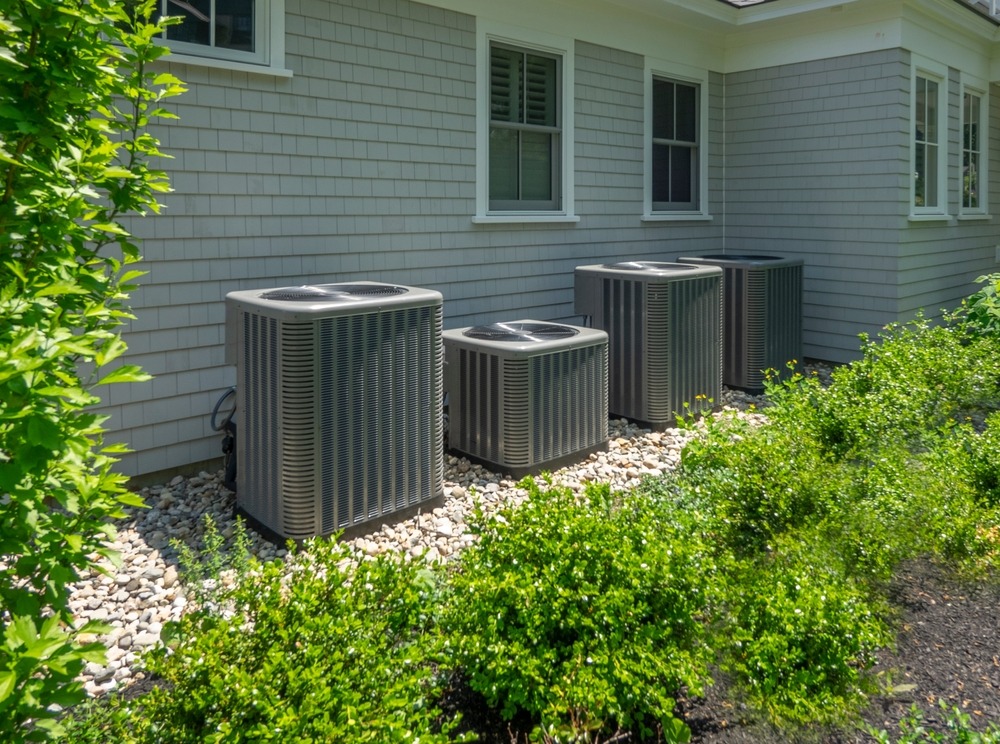
Your outdoor condenser unit plays a vital role in cooling your home by releasing the heat extracted from indoor air. However, outdoor units in Grand Cayman face harsh environmental elements, including salty ocean air, sand, sea spray, and rapid foliage growth.
When dead leaves, sand, or overgrown tropical plants block the airflow around your condenser unit, the system cannot expel heat efficiently. This forces the unit to operate at higher temperatures and pressures, drawing far more electricity and dramatically shortening the lifespan of the compressor.
- Maintain Clearance: Keep at least two to three feet of clear space around your outdoor unit. Trim back any hibiscus, bougainvillea, or lawn vegetation regularly.
- Gentle Cleaning: Periodically rinse the outdoor condenser fins with a gentle stream of fresh water from a garden hose to wash away salt crust and sand buildup. Never use a high-pressure power washer, as this can bend the delicate aluminum fins and completely ruin airflow.
Why Professional AC Service is Essential for Long-Term Efficiency
While these DIY habits go a long way toward protecting your investment, true long-term energy efficiency requires professional expertise. Air conditioning systems are complex, finely calibrated mechanical networks containing refrigerants, electrical connections, fan motors, and intricate coils. Over time, subtle issues like minor refrigerant leaks, loose wiring, or hidden mold accumulation inside the handler can silently drain your system’s efficiency without immediate warning signs.
Partnering with a professional HVAC provider ensures that your system receives thorough, comprehensive care. Professional technicians possess the diagnostic tools required to measure airflow precision, calibrate thermostatic sensors, inspect electrical draw, and clean internal coils safely. Routine preventative maintenance not only guarantees that your air conditioner operates at peak seasonal efficiency, but it also identifies minor wear-and-tear issues before they turn into costly, frustrating breakdowns in the heat of summer.
Experience the Polar Bear Difference
When it comes to keeping your Grand Cayman home cool, reliable, and energy-efficient, Polar Bear Air Conditioning is here to serve you. What truly sets us apart is our awesome and talented team that genuinely loves what they do. We have built a fun, hard-working, and personable group of professionals from all over the world, each dedicated to delivering a complete “WOW” experience to our customers. As a proud, family-owned and operated business serving Grand Cayman since 1988, our success has always been rooted in trust, community, and unmatched technical quality.
Whether you need a routine seasonal tune-up, an emergency repair, or a complete energy-efficient system upgrade, our international team brings the perfect balance of warm Caribbean hospitality and world-class HVAC expertise to every single job.
Don’t let Grand Cayman’s heat take a toll on your comfort or your wallet. Contact Polar Bear Air Conditioning today to schedule your professional AC maintenance assessment and discover how efficient your cooling system can truly be!